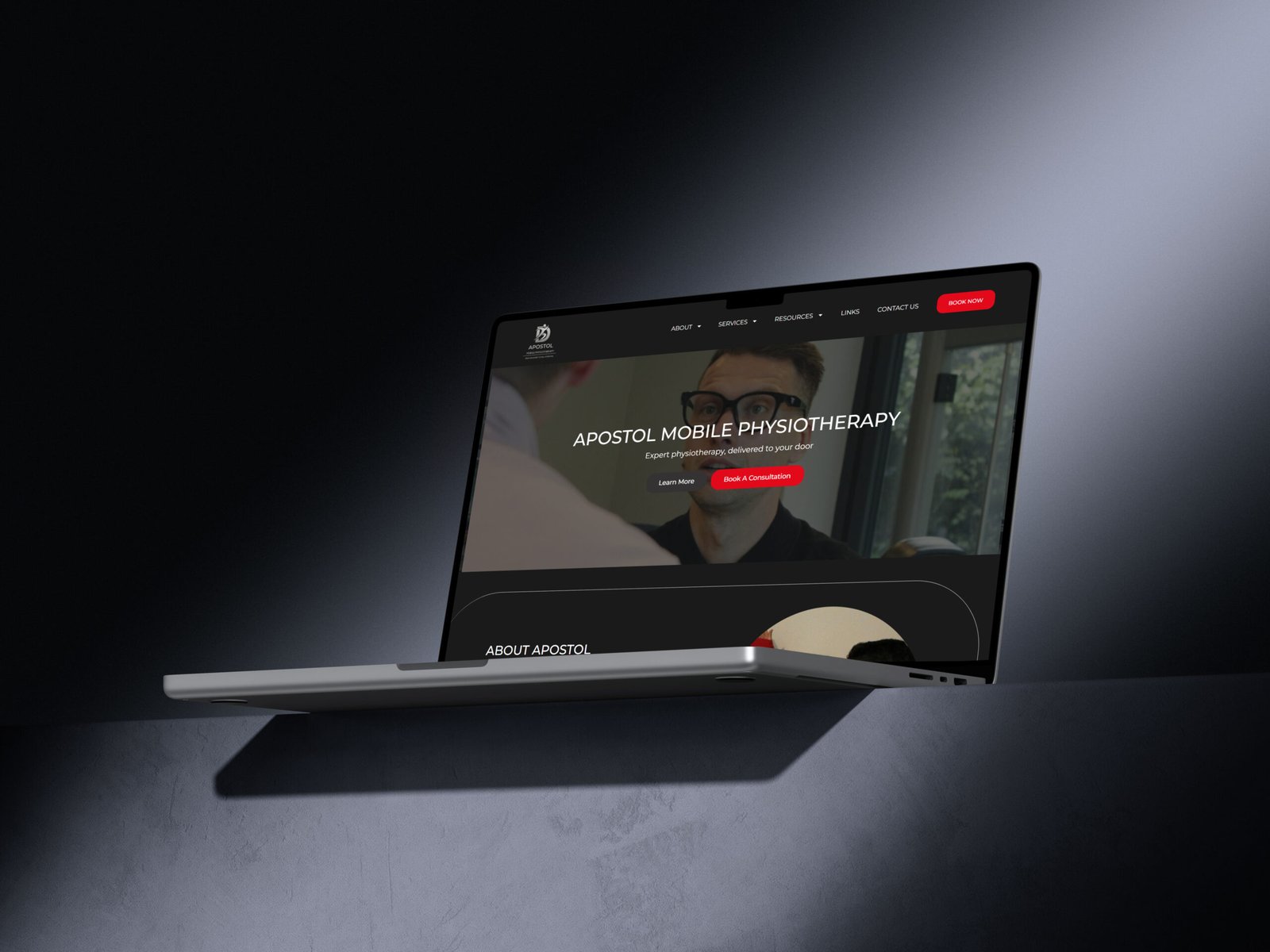
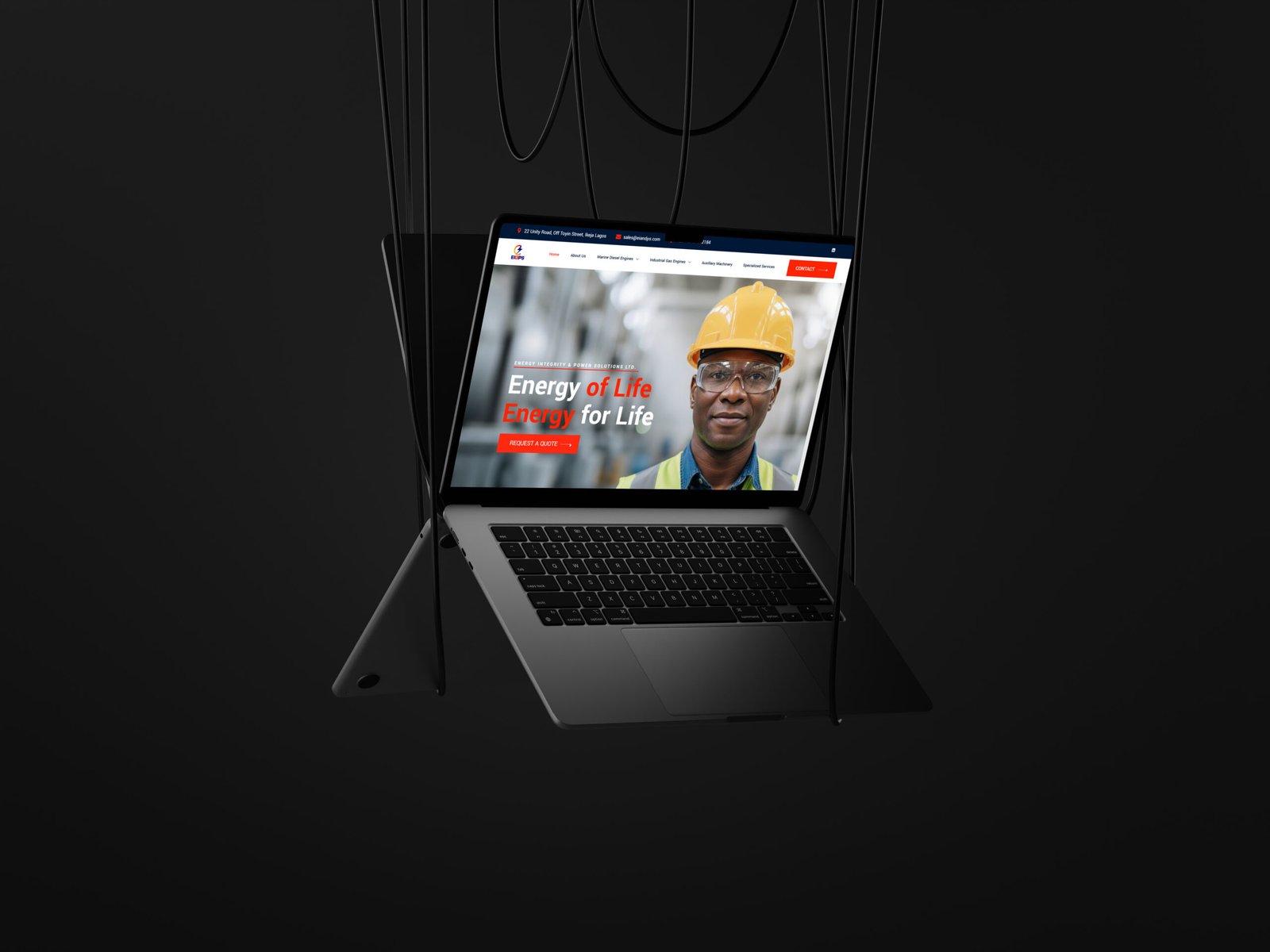
Running a business on your own means wearing several hats. You’re delivering your service, communicating with clients, managing the day-to-day work, and trying to find time to grow.
Your website should make some of that easier.
For a solo service provider, a website isn’t just a place to list services or display a portfolio. It’s an opportunity to help potential clients understand what you do, get a sense of how you work, and decide whether you’re the right person to help them.
You don’t necessarily need a large website with dozens of pages. You need one that reflects your business, answers the questions your potential clients are likely to have, and makes the next step clear.
So, what should a website for a solo service provider actually look like?
1. A Homepage That Explains What You Do
When someone lands on your website, they shouldn’t have to guess what you offer.
Your homepage needs to communicate three things quickly:
- What you do
- Who you help
- How someone can work with you
For example, a freelance designer might help small businesses create websites that communicate their value clearly. A consultant might help growing businesses improve their operations. A therapist might provide support for individuals navigating particular challenges.
These businesses offer different services, but their websites share the same responsibility: helping visitors understand whether the service is relevant to them.
Start with a clear headline that communicates your value. Follow it with a short explanation and a visible next step, such as viewing your services, booking a consultation, or making an enquiry.
You don’t need a clever slogan if it makes your offer harder to understand. Clarity should come first. Your homepage should also guide visitors toward a clear next step. For more practical guidance, read How to Design a Website That Converts.
2. A Services Page That Helps People Understand Your Offer
Potential clients need more than a service name. They need to understand what they’re getting and how it relates to their situation.
Your services page should explain what you offer, who each service is for, and what the experience of working with you involves.
For each service, consider answering these questions:
- What does the service help the client accomplish?
- Who is it suitable for?
- What’s included?
- What does the process look like?
- What’s the next step if they’re interested?
If you offer several services, organise them in a way that makes the differences easy to understand.
You don’t need to create a separate page for every small variation of your offer. Start with a structure that makes sense for your current business, then expand when there’s a clear reason to do so.
3. An About Page That Builds Confidence
When clients hire an independent professional, they’re often choosing the person as much as the service.
Your About page is an opportunity to show them who you are, what informs your approach, and what they can expect from working with you.
You don’t need to tell your entire life story.
Focus on the details that help a potential client understand your experience, perspective, values, and working style. Explain why you do the work you do and how your approach benefits the people you serve.
A professional photograph can also help visitors put a face to the business.
The goal isn’t to make the page entirely about you. It’s to help the right people feel more confident about choosing you.
4. Evidence That Helps People Trust You
A potential client may be interested in your service but still have questions about whether they can trust you to deliver.
Your website can help answer those questions with relevant evidence.
Depending on your experience and business, this might include:
- Client testimonials
- Portfolio projects
- Case studies
- Qualifications or certifications
- Relevant professional experience
- Examples of your work
- Clear explanations of your process
You don’t need all of these at once.
If you’re a designer, examples of previous projects may be especially useful. If you’re a consultant, a case study explaining how you approached a business problem might be more persuasive. If you’re a therapist, appropriate credentials and a clear explanation of your practice may matter more.
Choose evidence that reflects what clients need to know before they feel comfortable reaching out.
If you’re just starting out, don’t invent testimonials or results. You can still communicate your approach, demonstrate your skills through sample projects, and explain how you work.
5. A Clear Way to Get in Touch
Your website shouldn’t make interested visitors work hard to contact you.
Choose a primary next step that fits your service. That might be booking a discovery call, requesting a quote, completing an enquiry form, or sending a message.
Make the action visible and use straightforward language.
For example:
- Let’s Talk About Your Project
- Book a Consultation
- Request a Quote
- Ask About Availability
Your contact form should ask for enough information to help you respond, without making the process unnecessarily complicated.
For a freelance service provider, this might include a name, email address, a brief description of the project, and an optional budget or timeline.
You can ask more detailed questions later if they’re needed.
6. A Design That Feels Consistent and Easy to Use
A solo business doesn’t need an elaborate website to look professional.
What matters is that the website design feels intentional and supports the information you’re communicating.
Pay attention to:
- Readable typography
- Consistent colours and spacing
- Clear headings
- Relevant images
- Easy-to-use navigation
- Visible buttons and links
- A layout that works on mobile devices
Your website should reflect the nature of your business without making visitors work to understand it.
A creative professional might use a more expressive visual style, while a financial consultant may need a more restrained approach. Neither needs to follow every design trend.
The right design is the one that supports your message, fits your audience, and makes the experience easier to navigate.
7. Useful Information About Working With You
Potential clients often have practical questions before they make contact.
How does the process work? What happens after they enquire? Do you offer consultations? What information will they need to provide? How long might the process take?
Your website can answer many of these questions before they become a long email exchange.
You might include information about your process, frequently asked questions, service boundaries, payment arrangements, or what clients can expect at each stage.
You don’t need to publish every internal detail of your business. Share the information that helps people make informed decisions and understand what working with you involves.
This is particularly useful when you’re managing everything yourself. Clear expectations can reduce unnecessary back-and-forth and help you spend more time delivering your service.
8. A Website You Can Maintain Without Creating More Work
Your website should support your business, not become another full-time responsibility.
Choose a structure and platform that suit your current needs and technical comfort. Make sure you can update essential information, add relevant work, and keep your contact details current.
You should also pay attention to basic website maintenance, including software updates, backups, security, and broken links.
As your business grows, you may find opportunities to simplify the work that happens behind the scenes. For example, you might connect your enquiry form to a spreadsheet or client management tool, automate confirmation emails, or use appointment scheduling software.
These additions aren’t necessary for every solo business from day one. Start with the essentials and introduce more functionality when it solves a real problem.
Does a Solo Service Provider Need a Large Website?
Not necessarily.
A focused website with a homepage, services page, About page, and contact page may be enough for a professional offering one or two services.
A portfolio, case studies, blog, or additional service pages can be useful as your business and content grow.
The right size depends on what your clients need to understand, how you deliver your service, and what your website needs to accomplish.
The goal isn’t to have more pages than another business. It’s to provide the information people need to make a confident decision.
Build a Website Around the Business You’re Running
As a solo service provider, your website should help people understand your value without requiring you to explain everything from scratch in every conversation.
It should introduce your work, answer important questions, establish trust, and make it straightforward for the right people to take the next step.
Start with what your business needs today. As your services, audience, and goals evolve, your website should evolve with them. This is especially important as your business grows.
If your current website no longer reflects the quality of your work or makes it difficult for potential clients to understand your offer, it may be time to consider a website refresh or redesign.
At IfeCharis, I design websites around the business behind them: what you do, who you’re trying to reach, and what your website needs to accomplish.