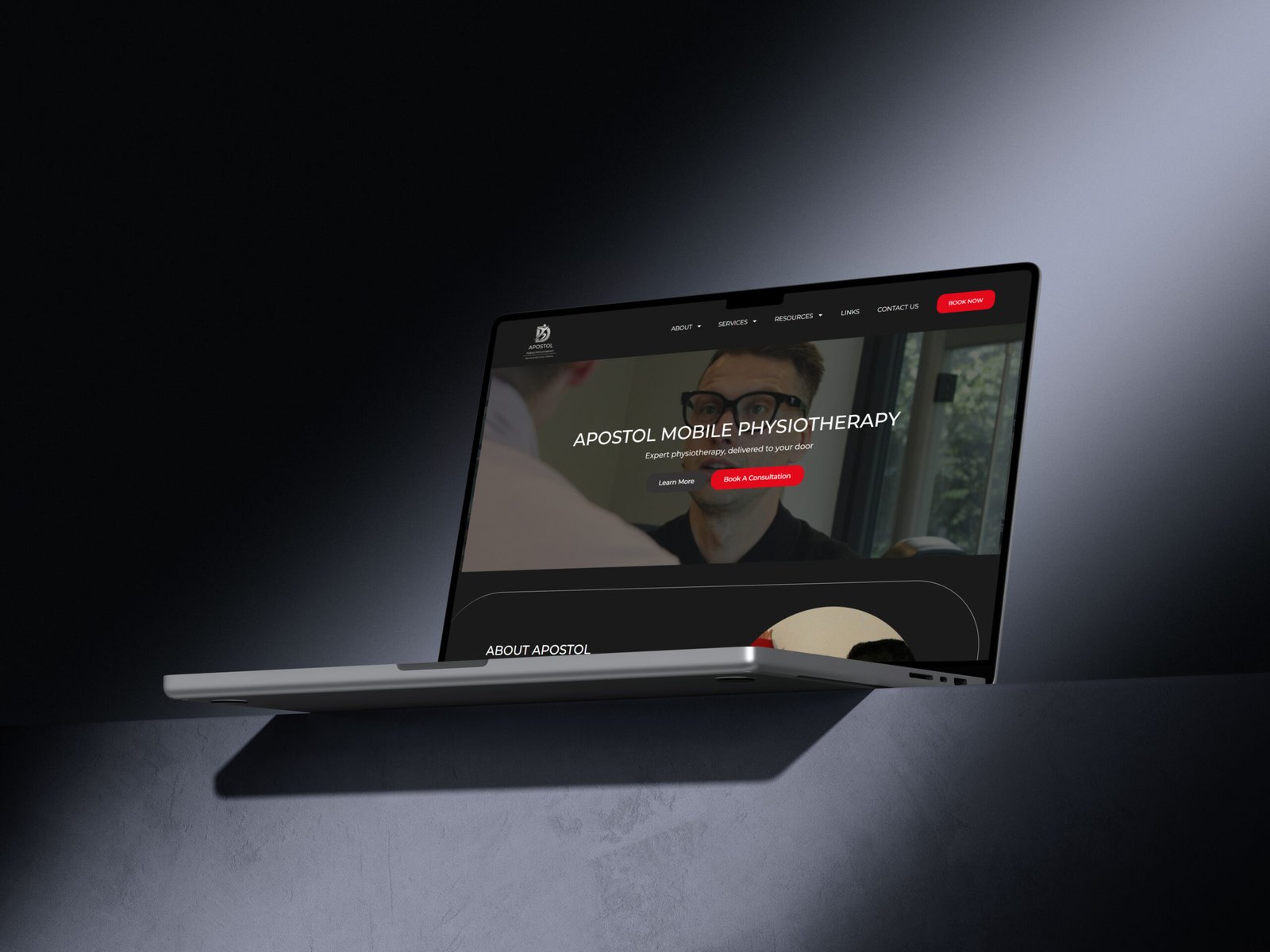
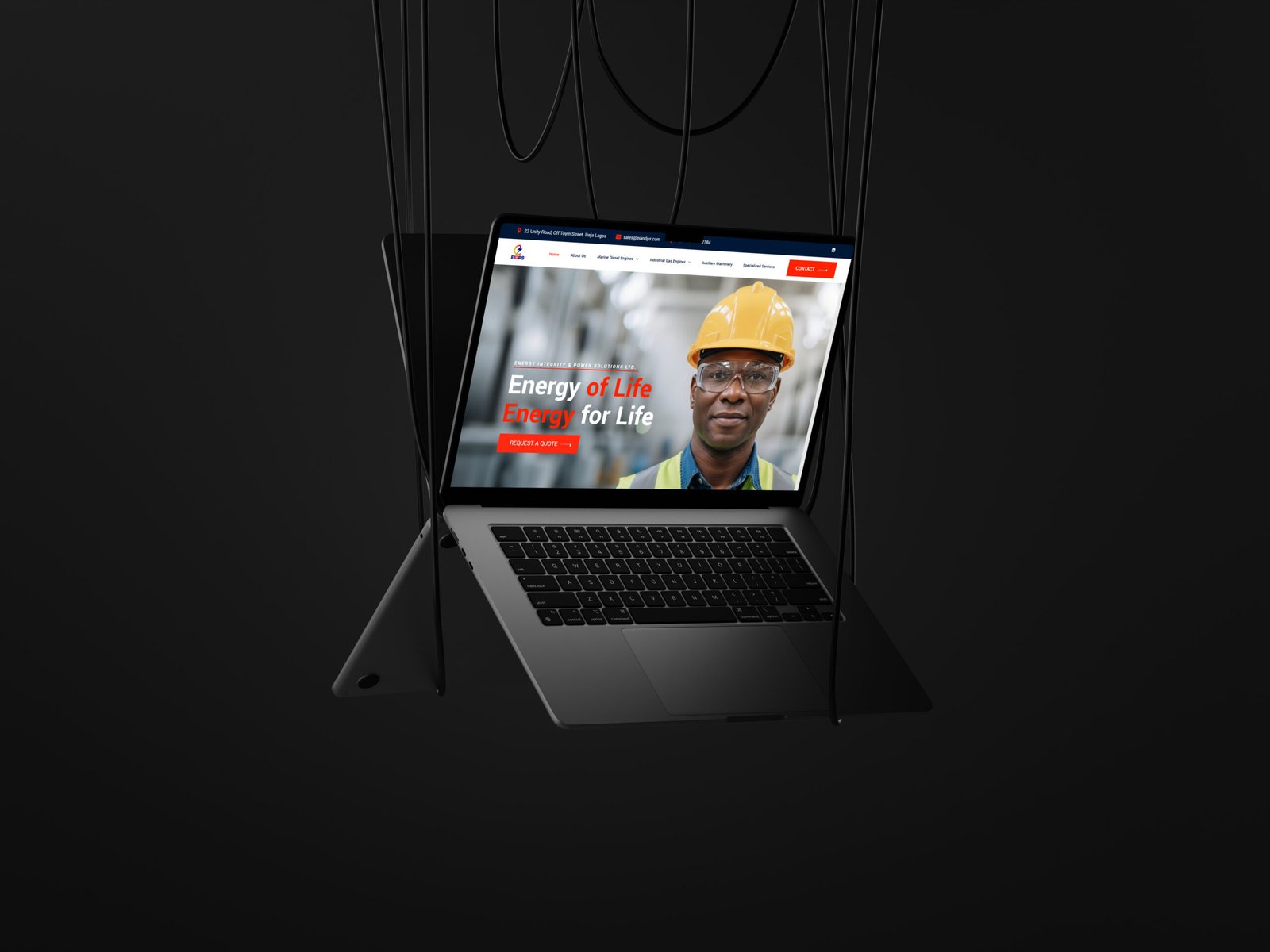
Your website might look professional, have beautiful images, and include all the important pages, but visitors can still leave without understanding what your business offers.
This often happens when the messaging is too vague, focuses more on the business than the customer, or makes people work too hard to understand the value of the service.
For a service business, your website needs to answer a few important questions quickly:
- What do you do?
- Who do you help?
- What problem do you solve?
- Why should someone choose you?
- What should they do next?
When these answers are clear, visitors can understand whether your business is right for them and feel more confident about taking the next step. Your website design should support this clarity by bringing your messaging, structure, and visual presentation together.
In this guide, we’ll look at how to write clear website messaging for your service business, from your homepage headline to your service descriptions and calls to action.
1. Start With What Your Business Actually Does
One of the most common website messaging problems is that businesses describe what they want people to feel rather than explaining what they actually offer.
You might see headlines such as:
- Helping You Reach Your Full Potential
- Creating Better Experiences
- Your Partner in Success
- Transforming Ideas Into Reality
These statements sound positive, but they don’t tell visitors much about the business.
A potential client shouldn’t have to scroll through your website to figure out what you do.
Start with a straightforward explanation of your service.
For example:
Vague: Helping businesses grow and succeed.
Clearer: Accounting and bookkeeping services for small businesses that need accurate financial records and better visibility into their finances.
The second statement gives visitors a much better understanding of the service, the intended audience, and the value being offered.
You can make your messaging more distinctive later. First, make sure people understand it.
2. Be Specific About Who You Help
Trying to speak to everyone can make your website messaging less effective.
When your audience isn’t clear, visitors may struggle to recognise whether your services are relevant to their needs.
Think about the type of clients you want to attract.
Are you working with:
- Small business owners?
- Independent consultants?
- Established service businesses?
- Coaches and educators?
- Startups?
- Growing professional firms?
You don’t necessarily need to mention every type of client on your homepage. Focus on the audience your services are best suited to.
For example:
General: Website design for businesses.
More specific: Website design for independent consultants and service businesses looking to attract and convert the right clients.
The second version helps the intended audience recognise themselves in your message.
Specificity also makes it easier to choose relevant examples, describe your services, and explain the problems you solve.
3. Focus on the Client’s Needs, Not Just Your Services
Your services explain what you provide. Your messaging should also explain why those services matter to the people considering them.
A business owner looking for a website designer may not be thinking about layouts, typography, or responsive design.
They may be thinking about:
- Their outdated website making the business look less professional.
- Visitors struggling to understand their services.
- Potential clients finding it difficult to get in touch.
- Their business growing beyond what their current website communicates.
These are the concerns your messaging should address.
Instead of simply writing:
“We design beautiful, responsive websites.”
You could say:
“We create professional websites that help service businesses communicate their value, build trust, and make it easier for potential clients to get in touch.”
The service is still clear, but the message also explains what the client stands to gain.
When writing your website copy, ask yourself: What does this service help my client do, improve, or achieve?
That answer should influence how you describe your offer.
4. Write a Homepage Headline That Gets to the Point
Your homepage headline is one of the first things visitors encounter. It should give them a useful reason to continue exploring your website.
A strong headline doesn’t need to explain everything about your business. It needs to communicate the main value of what you offer.
A useful starting structure is:
What you do + who you help + the value you provide.
For example:
- Website Design for Service Businesses That Want to Grow.
- Helping Small Businesses Simplify Their Operations With Smarter Systems.
- Professional Photography for Brands That Want to Tell Better Stories.
- Bookkeeping Services That Give Small Business Owners Better Financial Clarity.
You can also use a shorter, more creative headline, provided the supporting text makes your offer clear.
For example:
Headline: Make Room for Better Business.
Supporting text: We help growing service businesses streamline everyday operations through practical automation and connected digital tools.
The headline creates interest, while the supporting text explains what the business does.
Don’t make visitors guess what your headline means.
5. Explain Your Services in Language People Understand
Your website should make it easy for visitors to understand what they’re paying for.
This becomes difficult when service descriptions rely heavily on industry terminology, technical language, or broad statements.
For example:
Unclear: Comprehensive digital transformation solutions designed to optimise operational efficiency.
Clearer: We connect your business tools and automate repetitive tasks so your team can spend less time on manual administration.
The clearer version communicates the actual work involved and why it matters.
For each service, try to explain three things:
What the service is: Give visitors a straightforward description.
What it includes: Briefly explain the work, deliverables, or support involved.
Who it is for or why it matters: Help visitors understand whether the service meets their needs.
You don’t need to explain every technical detail on your homepage. More detailed information can live on individual service pages.
The important thing is that visitors understand what you’re offering before they decide to enquire.
6. Show What Makes Your Business Different
Potential clients often compare several businesses before making a decision.
Your website should give them a reason to understand what makes your approach, experience, or service worth considering.
This doesn’t mean claiming to be the best, most innovative, or number one in your industry.
Instead, explain the things that genuinely distinguish your business.
Consider:
- Your experience working with a particular type of client.
- A specialised approach to delivering your services.
- Your process and what clients can expect.
- The level of support you provide.
- The way your services address a specific problem.
For example:
Generic: We provide excellent customer service and high-quality solutions.
More meaningful: Every project begins with understanding your business, your customers, and what you need your website to achieve. This helps us make design decisions around your actual business goals.
The second statement gives visitors something more concrete to evaluate.
Your differences don’t have to be extraordinary. They need to be relevant, genuine, and clearly communicated.
7. Use Evidence to Support Your Claims
Your website messaging becomes more convincing when you support it with evidence.
You can say that your business is reliable, experienced, or results-driven, but visitors may still want to know why they should believe you.
This is where trust-building content becomes important.
Depending on your business, you can include:
- Client testimonials.
- Case studies and project examples.
- Relevant qualifications or certifications.
- Years of experience.
- Client results, where you can substantiate them.
- Recognisable organisations you’ve worked with.
- Reviews and recommendations.
For example, rather than simply saying:
“We help businesses improve their online presence.”
You could feature a short case study explaining the client’s original challenge, what you did, and how the finished website addressed their needs.
Evidence gives potential clients something specific to consider when evaluating your business.
Only include claims, statistics, and testimonials that you can genuinely support.
8. Make Your Calls to Action Clear
Once visitors understand your services, they need to know what to do next.
Your calls to action should make that next step obvious.
Avoid relying on generic labels such as “Click Here” or using the same button for every situation.
Instead, choose language that reflects the action you want visitors to take.
Examples include:
- Book a Consultation
- Request a Quote
- View Our Projects
- Explore Our Services
- Schedule a Discovery Call
- Get in Touch
The wording should match the commitment involved.
For example, if someone needs to discuss their requirements before receiving a proposal, “Book a Consultation” may be more appropriate than “Buy Now.”
Also consider where your calls to action appear. A visitor shouldn’t have to reach the bottom of a long page to discover how to contact you.
Give people clear opportunities to take the next step as they explore your website.
9. Keep Your Messaging Consistent Across Your Website
Your homepage, service pages, about page, and contact page should feel like parts of the same business.
If your homepage describes your business as a premium consultancy but your service pages use vague, informal descriptions, visitors may struggle to understand your positioning.
Consistency doesn’t mean repeating the same sentences everywhere.
It means maintaining a clear and recognisable explanation of:
- What your business does.
- Who your services are for.
- The value you provide.
- How you approach your work.
- What clients can expect.
Your tone of voice, terminology, and visual presentation should also support the same message.
For example, if your business serves established professional firms, your website should communicate the level of experience, confidence, and clarity those clients expect.
Review your website as a whole. Does every page reinforce the same understanding of your business?
10. Write for People Who Are Reading Quickly
Most website visitors won’t read every word on every page.
They often scan headings, short paragraphs, lists, and highlighted information to find what matters to them.
Your messaging should make that easy.
A few practical ways to improve readability include:
- Use descriptive headings that explain what each section covers.
- Keep paragraphs focused on one main idea.
- Break down complicated explanations into shorter sections.
- Use bullet points when listing services, features, or benefits.
- Avoid unnecessary industry jargon.
- Put important information where visitors can find it easily.
For example, a heading such as “Our Approach” may sound appropriate, but “How We Help You Plan and Build Your Website” tells visitors more about what the section contains.
Good website messaging considers not only what you say but also how easily people can find and understand it.
11. Review Your Messaging as Your Business Changes
Your website should reflect the business you’re running today.
As your services, experience, audience, and goals evolve, some of the language you originally used may no longer describe your business accurately.
You might have started by offering one service and gradually expanded into several related services. Perhaps your business now serves a different audience, or you’ve developed a clearer understanding of the problems your clients need help solving.
Your website messaging should evolve alongside these changes.
Review your website periodically and ask:
- Does my homepage still explain what I do?
- Am I attracting the type of clients I want to work with?
- Are my services described accurately?
- Does my website communicate the value of my current offers?
- Are there outdated claims, information, or descriptions?
- Is the next step clear on every important page?
You don’t necessarily need a complete website redesign every time your business changes. Sometimes, updating your messaging is one of the most valuable improvements you can make.
A Simple Checklist for Clear Website Messaging
Before publishing or updating your website copy, use this checklist:
- My homepage clearly explains what my business does.
- My target audience can recognise themselves in my messaging.
- I explain the problems my services help solve.
- My service descriptions are easy to understand.
- My messaging communicates what makes my business worth considering.
- I support important claims with genuine evidence.
- My calls to action tell visitors what to do next.
- My pages communicate a consistent message.
- My content is easy to scan and read.
- My website reflects the business I currently run.
Clear Messaging Makes Your Website More Useful
Your website is often one of the first places potential clients go to understand your business.
They want to know whether you offer what they need, whether they can trust you, and whether taking the next step makes sense.
Clear website messaging helps answer those questions.
Start with the basics. Explain what you do, identify who you help, communicate the value of your services, and make it easy for visitors to take action.
When your messaging is clear, your website has a stronger foundation for building trust and attracting the right enquiries.
Need a website that communicates your value clearly?
At IfeCharis, I design thoughtful websites that help service businesses explain what they do, build trust with potential clients, and make it easier for people to take the next step.
Explore Website Design or get in touch to discuss your project.