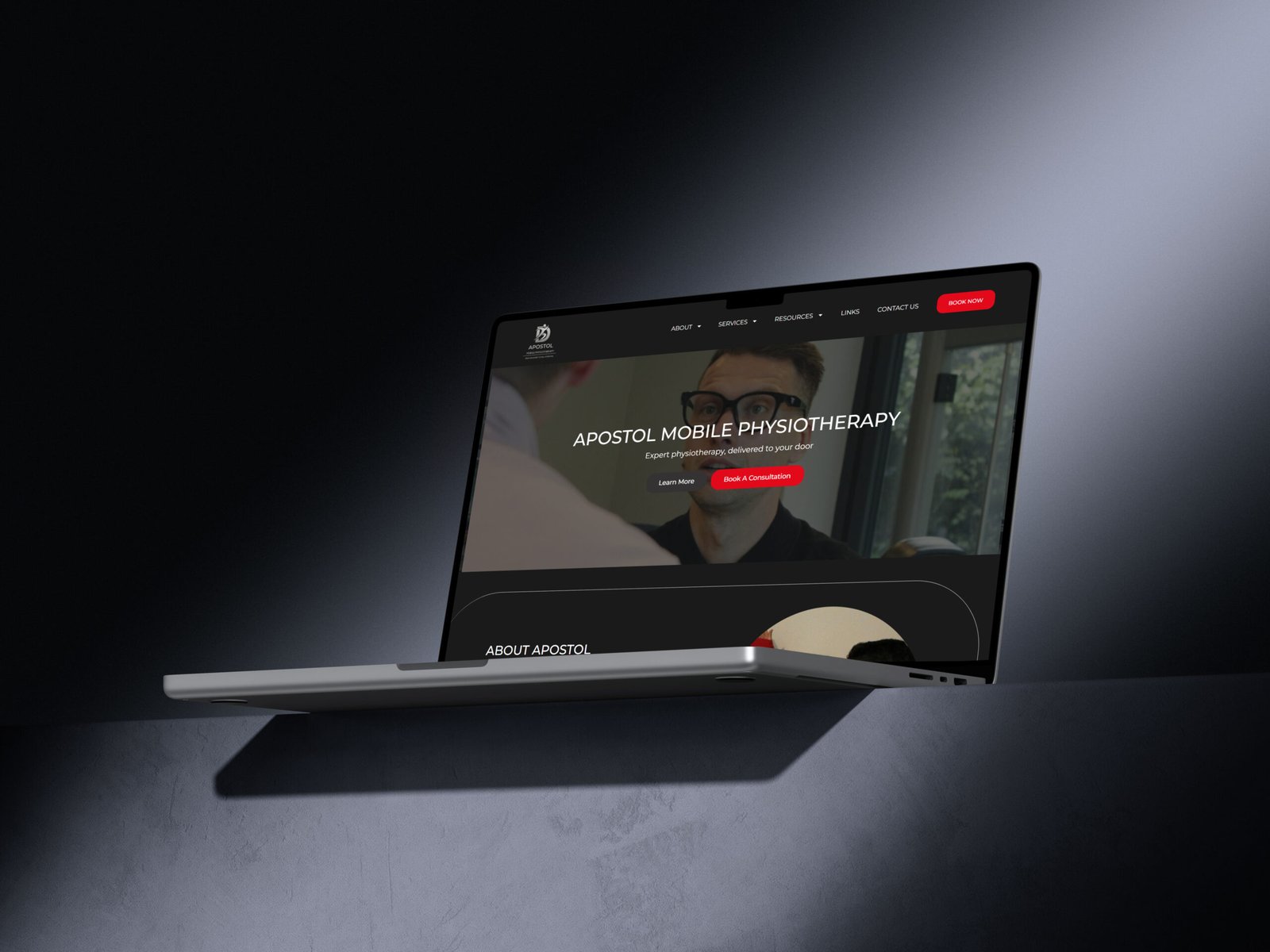
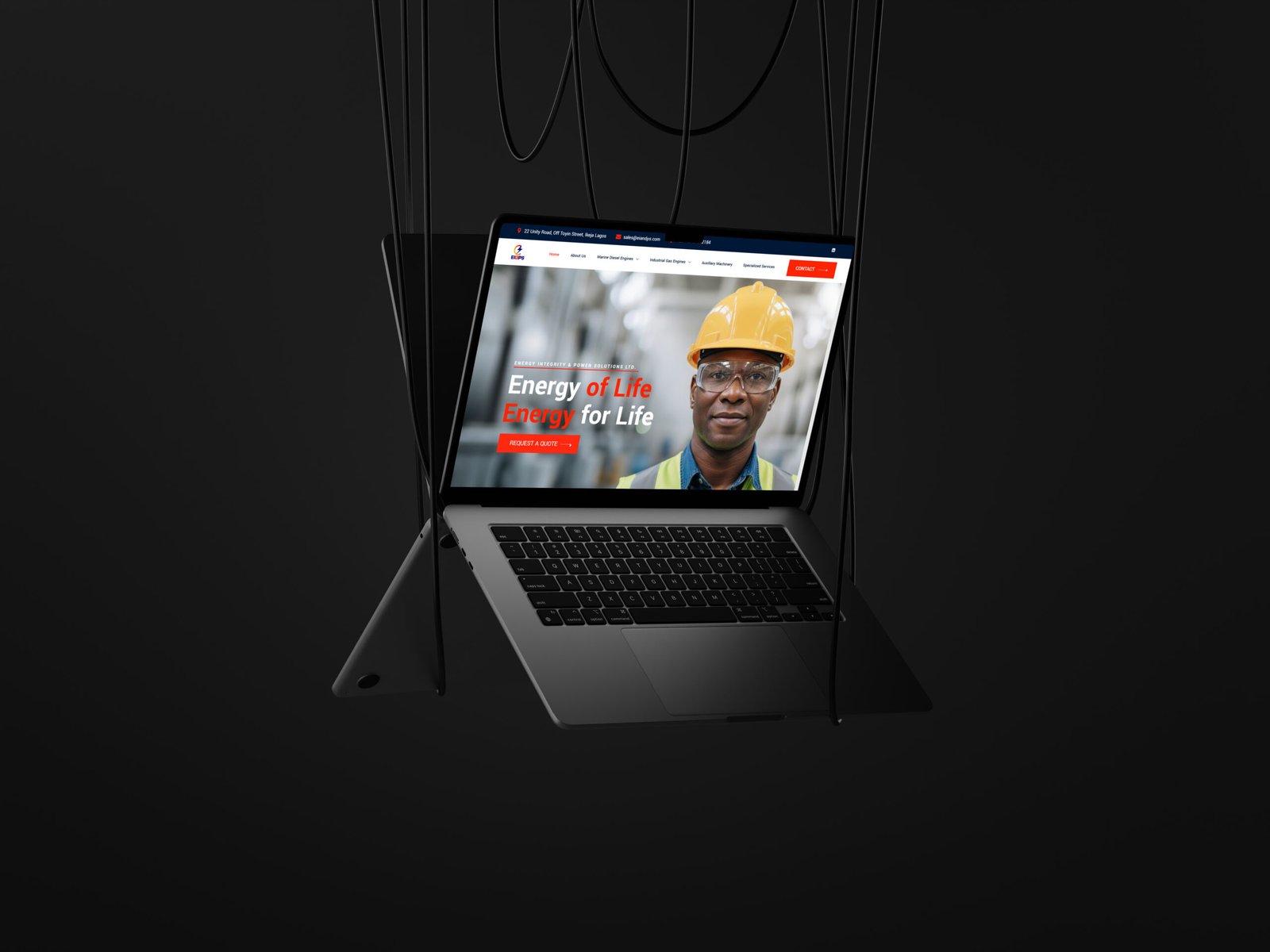
Your website tells a story whether you plan for it to or not.
The moment someone lands on your homepage, they start forming an impression.
They see what you offer.
They notice how you describe it.
They look at your images.
They decide whether your business feels relevant to them.
And, often without realising it, they decide whether they trust you enough to keep exploring.
That’s why communicating your business story through your website isn’t about writing a dramatic story about how your business began.
It’s about helping the right people understand who you are, what you do, why it matters, and why they should choose you.
And your website should do that without making people work too hard to figure it out.
Your business story is more than your About page
When people hear “business story,” they often think about the About page.
But your story shouldn’t live in one corner of your website.
It should come through in the way your entire website communicates.
Your homepage tells people what matters.
Your service pages explain how you help.
Your About page gives them more context about the person or business behind the work.
Your images create an impression.
Your calls to action guide people towards what happens next.
Together, these pieces tell people what kind of business they’re dealing with.
So instead of asking:
“How do I write my About page?”
A better question is:
“What do I want someone to understand about my business after visiting my website?”
Start with what your business actually does
This sounds obvious, but many websites make the mistake of trying to sound impressive before explaining what they actually offer.
Your visitor shouldn’t have to read three paragraphs to understand what you do.
Start with the basics.
What do you offer?
Who do you offer it to?
What problem are you helping them solve?
What changes for them when they work with you?
These answers give your website a foundation.
You can tell a more interesting story later.
First, make sure people understand what they’re looking at.
Talk about the problem, not just your process
Your business story isn’t only about you.
It’s also about the person you’re trying to help.
Imagine a potential client arrives on your website.
They’re probably not thinking:
“I wonder what this company’s complete history is?”
They’re thinking about their own situation.
They might be wondering:
Why isn’t my current website working?
How can I get more enquiries?
Why does my business still feel difficult to explain?
How can I save time on repetitive tasks?
Who can help me fix this?
Your website becomes more meaningful when it connects what you do to something your audience already cares about.
Instead of simply saying:
“We design beautiful websites for businesses.”
You might communicate:
“We create clearer websites that help people understand what your business offers and what to do next.”
The second statement gives people a reason to care.
Show what makes your business different
You don’t need to invent a unique selling point just because every business website seems to have one.
Your difference might already be visible in how you work.
Maybe you take more time to understand the business before designing.
Maybe you specialise in a particular type of client.
Maybe you combine website design with automation.
Maybe you simplify complicated things.
Maybe you work closely with clients instead of handing them a finished design and disappearing.
These details are part of your story.
Don’t just tell people that you’re different. Show them how you work differently.
Let your personality come through
A website can be clear and professional without sounding like it was written by a committee.
Your personality matters.
The way you explain things.
The words you naturally use.
The things you care about.
The way you approach your work.
These details help your website feel like your business, rather than a collection of generic business phrases.
You don’t have to be overly casual.
You don’t have to tell people your entire life story.
You simply need to sound like a real person behind the business.
Use your About page to add depth
Your homepage should help people understand your business quickly.
Your About page gives you more room to go deeper.
This is where you can explain:
Why you started the business
What shaped the way you work
What you believe about your industry
What your clients can expect from working with you
What matters to you beyond simply making a sale
But even here, remember that your story should still connect back to the person reading it.
Don’t make your About page a timeline of everything you’ve ever done.
Tell people the parts of your story that help them understand why you’re good at what you do and what it will be like to work with you.
Your services are part of your story too
Your service pages shouldn’t feel disconnected from the rest of your website.
The way you describe your services should reinforce what your business stands for.
For example, if your business is focused on making complicated things simpler, your service pages should be easy to understand.
If you care about helping clients make confident decisions, your website should explain what happens during the process.
If you combine strategy and implementation, your services should show that you’re not simply delivering a finished product.
The way you sell your services tells people how you think about your work.
Your visuals are telling a story too
People don’t only read websites.
They look at them.
Your photography, illustrations, colours, typography, layouts, and even the amount of whitespace contribute to the story you’re telling.
Think about what your visuals communicate.
Do they make your business feel:
Approachable?
Established?
Creative?
Thoughtful?
Professional?
Energetic?
Calm?
Premium?
There isn’t one correct answer.
The important thing is that the visual direction supports the message you’re trying to communicate.
A business that talks about simplicity, for example, probably shouldn’t have a website that feels overwhelming.
Your design should reinforce your words.
Don’t make everything about you
There’s an important balance here.
Your business story matters.
But your website isn’t an autobiography.
A good website moves between your story and your customer’s story.
You explain who you are.
Then you show how that matters to them.
You explain why you work the way you do.
Then you show what that means for their experience.
You talk about your expertise.
Then you demonstrate how that expertise can help solve their problem.
The visitor should be able to see themselves somewhere in the story.
Tell the story in the right order
You don’t need to reveal everything at once.
A simple website journey might look like this:
- Help me understand what you do.
Your homepage should answer this quickly.
- Help me understand whether it’s relevant to me.
Show who you work with and the problems you help solve.
- Give me a reason to trust you.
Use your experience, results, testimonials, work, process, and other evidence.
- Help me understand what working with you looks like.
Explain your services and process clearly.
- Give me a next step.
Make it obvious what someone can do if they want to continue.
This is storytelling with a purpose.
You’re not simply telling people information.
You’re helping them move from “Who are these people?” to “This might be right for me.”
Don’t try to say everything
One of the biggest problems with business websites is trying to communicate everything.
Every service.
Every qualification.
Every feature.
Every detail.
Every achievement.
The result is usually a website full of information that still doesn’t communicate anything clearly.
Your website doesn’t need to tell your entire story.
It needs to tell the right parts of your story to the right people.
Ask yourself:
What does someone need to know before they’re comfortable taking the next step?
Start there.
Your story should evolve as your business does
Your website shouldn’t permanently describe the business you had when you first started.
Businesses change.
You learn more about your customers.
Your services evolve.
Your priorities change.
You become better at what you do.
Sometimes you discover that the thing you originally thought you would offer isn’t actually where your business is going.
Your website needs room to evolve with that.
If you read your website today and think:
“This was true a few years ago, but it doesn’t really sound like us anymore.”
Pay attention to that feeling.
It may be time to consider whether your website needs a refresh or redesign.
A simple exercise for clarifying your business story
If you’re not sure what your website should say, start with these questions:
What do we actually help people do?
Who benefits most from what we offer?
What problem brings them to us?
Why did we decide to do this work?
What do we believe about how this work should be done?
What makes the experience of working with us different?
What do we want people to feel after interacting with our business?
What should someone understand about us before they decide to get in touch?
You don’t need polished answers.
Write honestly.
The useful language often appears before the polished copy does.
Your website should sound like your business
A strong business story doesn’t require complicated copy.
It requires clarity.
It requires knowing what matters.
And it requires making deliberate choices about what you show, what you say, and what you leave out.
Your website should give people enough information to understand your business, enough personality to remember it, and enough confidence to take the next step.
Because ultimately, your story isn’t there simply to make your website more interesting.
It’s there to help the right people understand why your business matters to them.
Your website is part of the way you communicate
You don’t need to turn your website into a personal memoir.
You don’t need a dramatic origin story.
And you don’t need to sound like everyone else in your industry.
You need a website that communicates your business clearly, from the first impression to the moment someone decides to get in touch.
Your story is already there. Good website design helps people see it.
If your website no longer reflects what your business is about, or you’re struggling to explain what makes your work valuable, it may be time to rethink how you’re communicating it.
Let’s create a website that makes your business easier to understand.